Disclaimer: The contents of Art Club Monthly kids’ boxes are subject to change based on availability of supplies, artist selections, or other unforeseen circumstances. We strive to maintain the quality and theme of each kit as described.
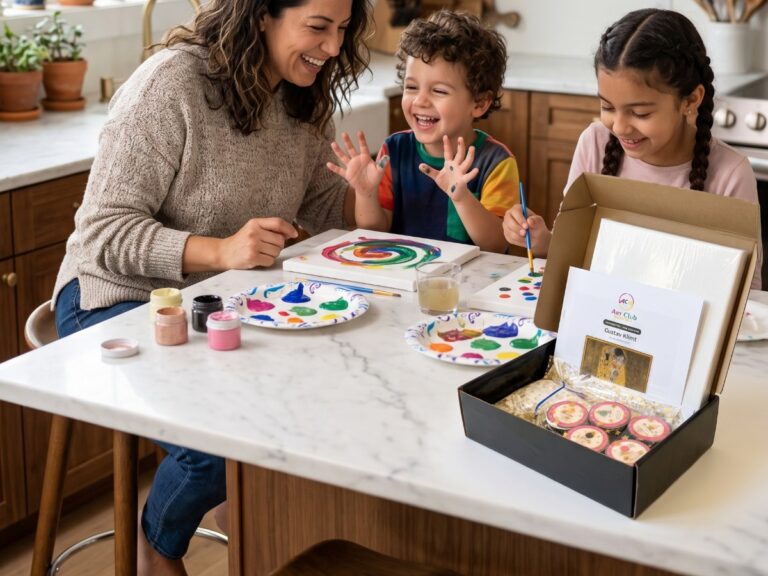
Each month features a famous artwork and artist, with kid-friendly materials and simplified inspiration prompts designed for children (ages 5–12). Kits encourage creative freedom, allowing kids to use provided materials or their own while drawing inspiration from the artist and artwork.

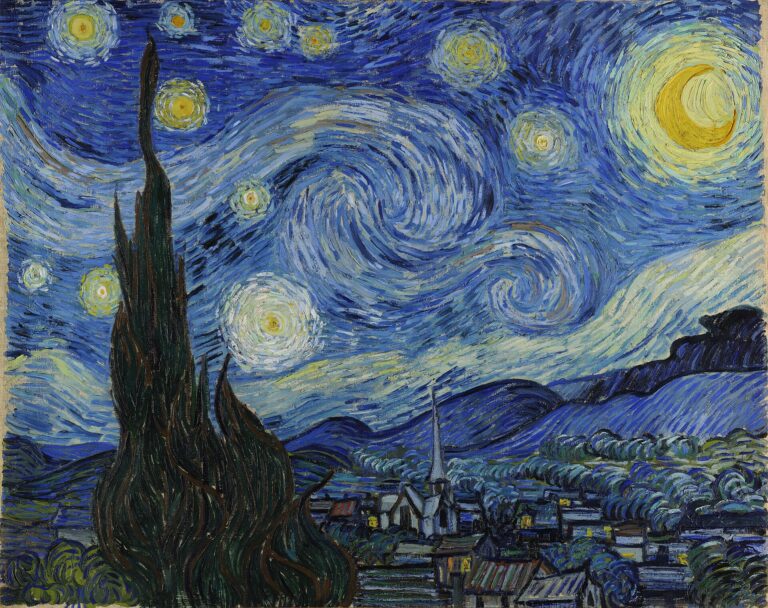
Starry Night (1889), oil on canvas, MoMA.
Describes van Gogh’s colorful style and starry skies in kid-friendly language.
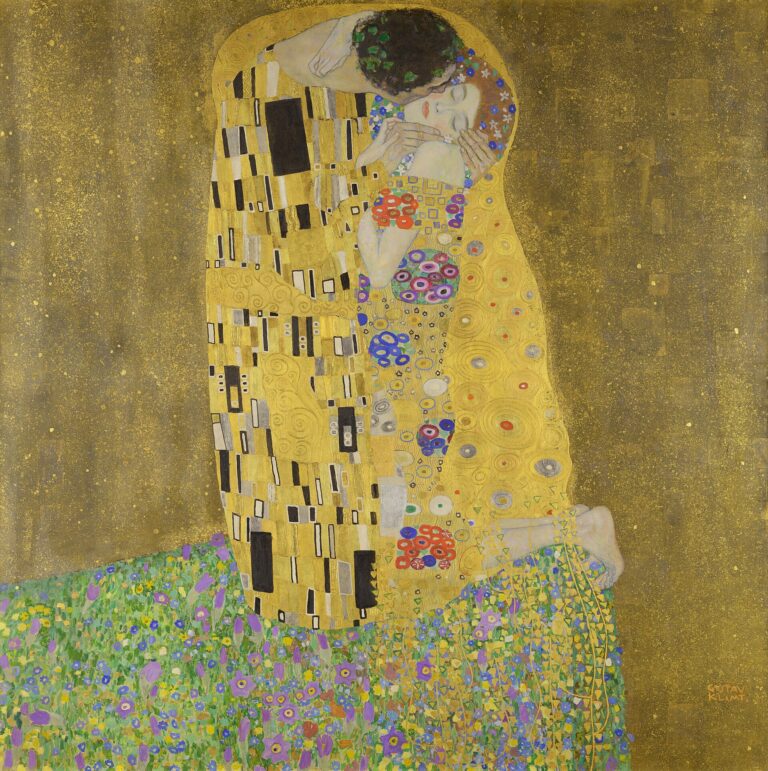
The Kiss (1907–1908), oil and gold leaf on canvas, Österreichische Galerie Belvedere.
Explains Klimt’s shiny, loving art in kid-friendly language.
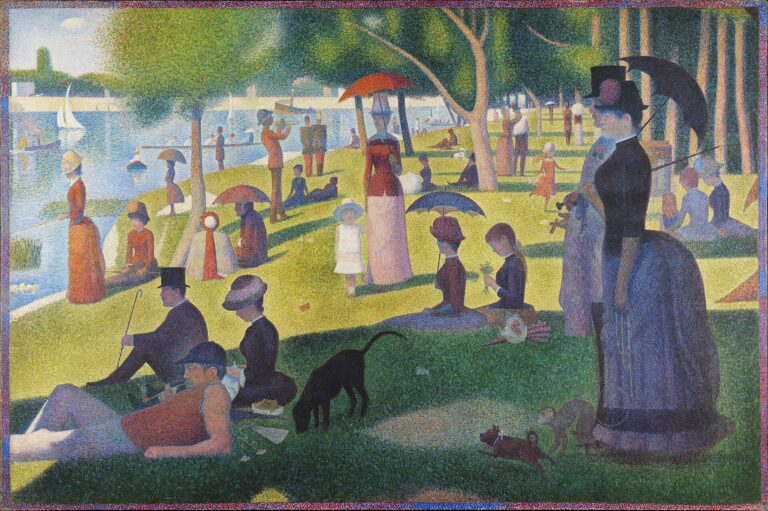
A Sunday Afternoon on the Island of La Grande Jatte (1884–1886), oil on canvas, Art Institute of Chicago.
Describes Seurat’s dot painting and park scenes simply.
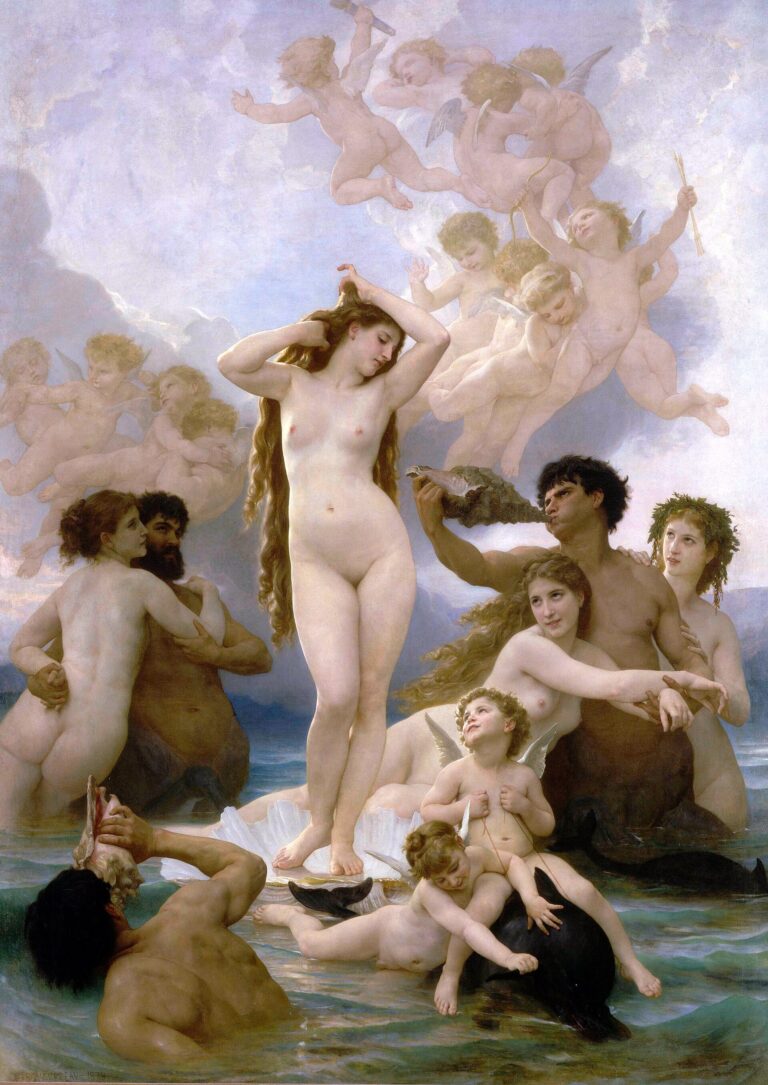
The Birth of Venus (1879), oil on canvas, Musée d’Orsay.
Covers Bouguereau’s classical style, mythology, and fluid brushwork.
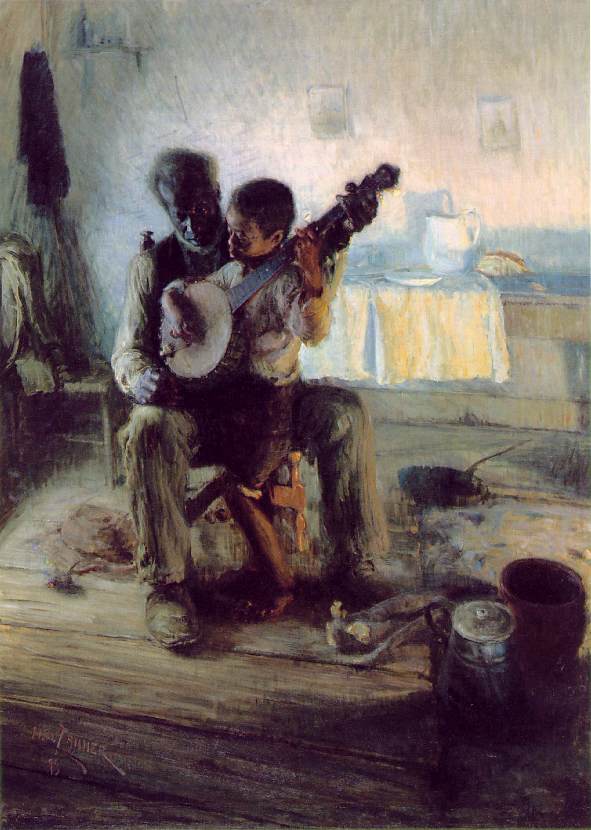
The Banjo Lesson (1893), oil on canvas, Hampton University Museum, Virginia.
Introduces Henry Ossawa Tanner, a groundbreaking African American painter, and how he showed love between generations. A great fit for Black History Month.
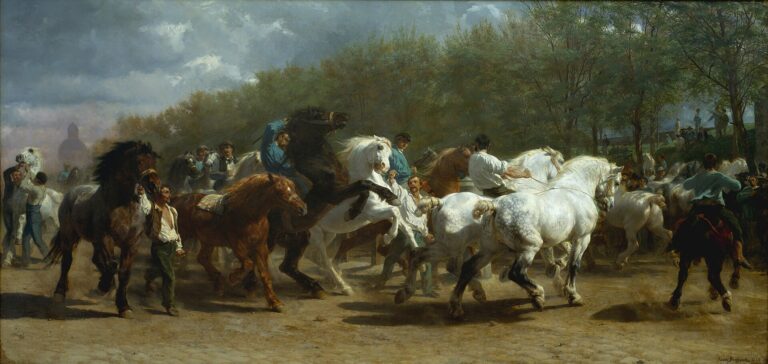
The Horse Fair (1852 to 1855), oil on canvas, The Metropolitan Museum of Art, New York.
Introduces Rosa Bonheur, one of the most famous women artists of her time, who studied animals up close to paint them full of life. A great fit for Women’s History Month.
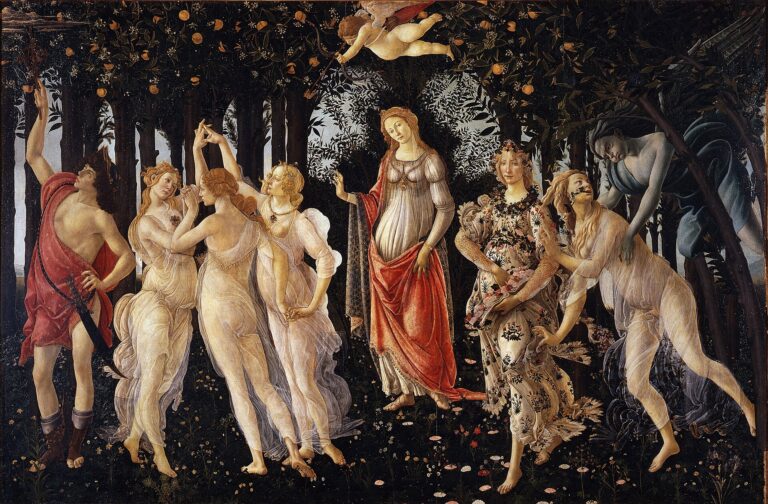
Primavera (c. 1480), tempera on panel, Uffizi Gallery, Florence.
Introduces Botticelli, Renaissance Florence and the hundreds of flowers hidden in the painting, in kid-friendly language.
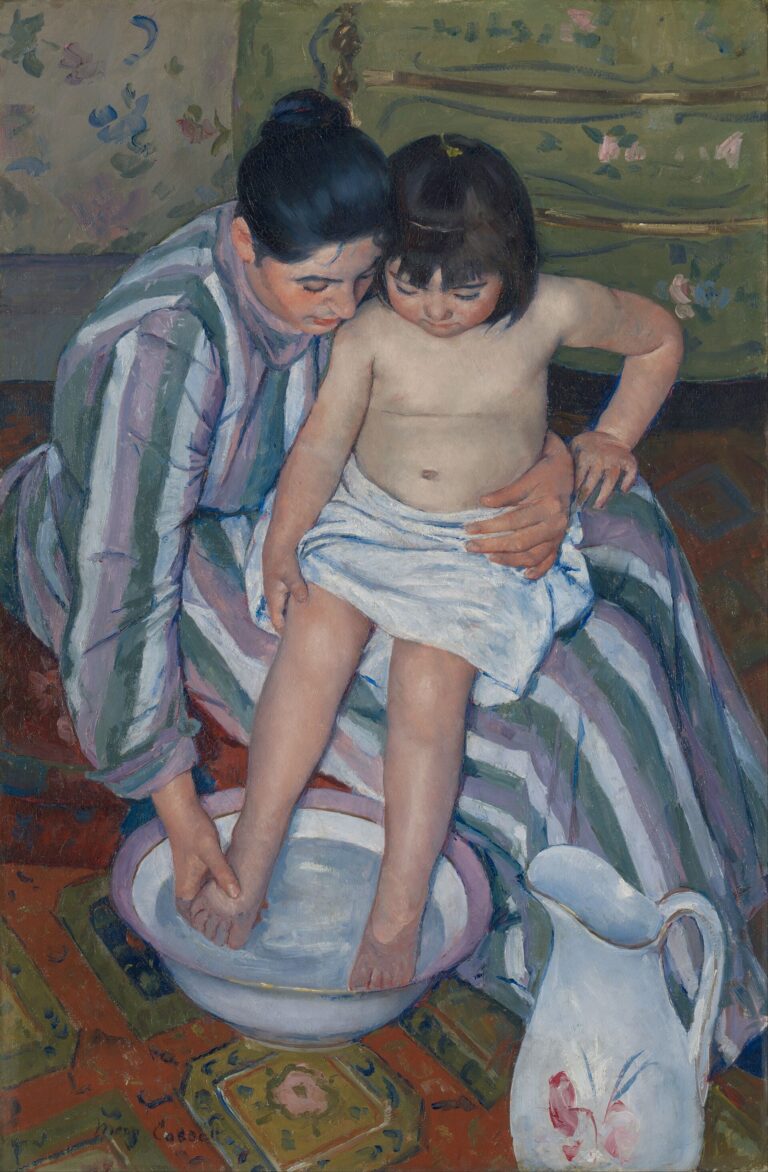
The Child’s Bath (1893), oil on canvas, Art Institute of Chicago.
Introduces Mary Cassatt, the American artist who painted everyday family love, in simple terms.
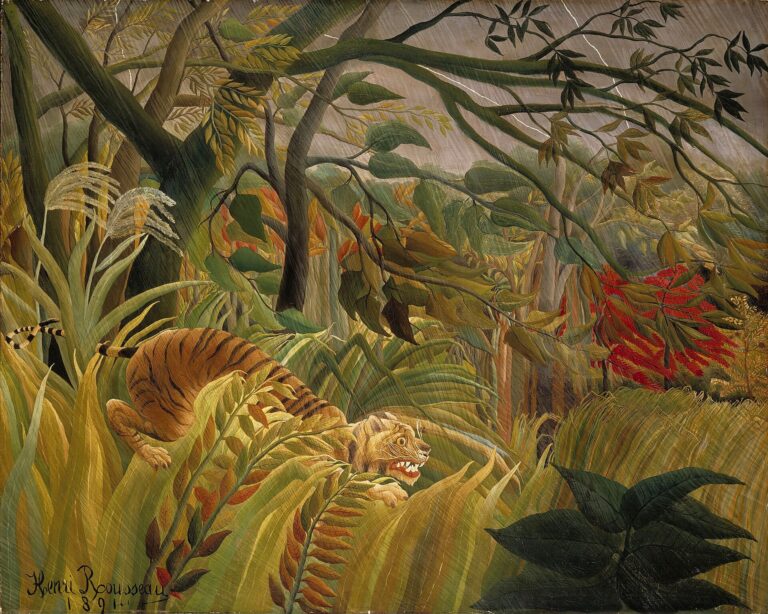
Surprised! (1891), oil on canvas, National Gallery, London.
Introduces Rousseau, the self-taught painter who imagined jungles he never visited.
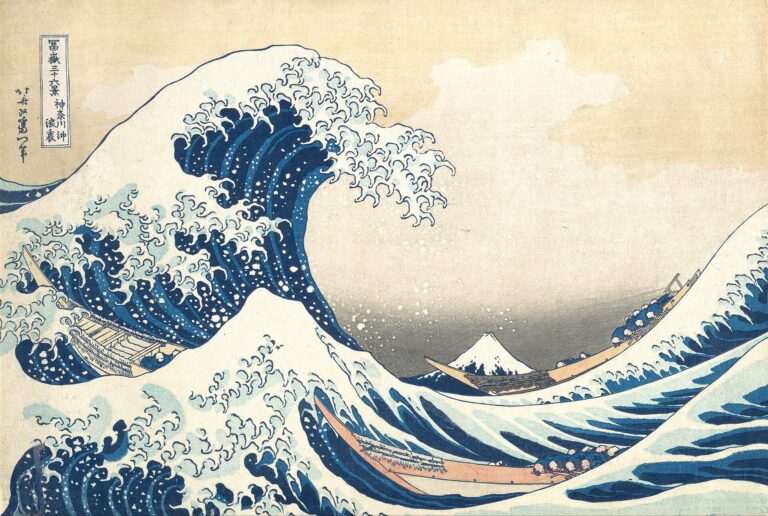
Under the Wave off Kanagawa (c. 1830 to 1832), polychrome woodblock print, from Thirty-six Views of Mount Fuji.
Introduces Hokusai, Mount Fuji, and how printmakers made many copies of one picture.
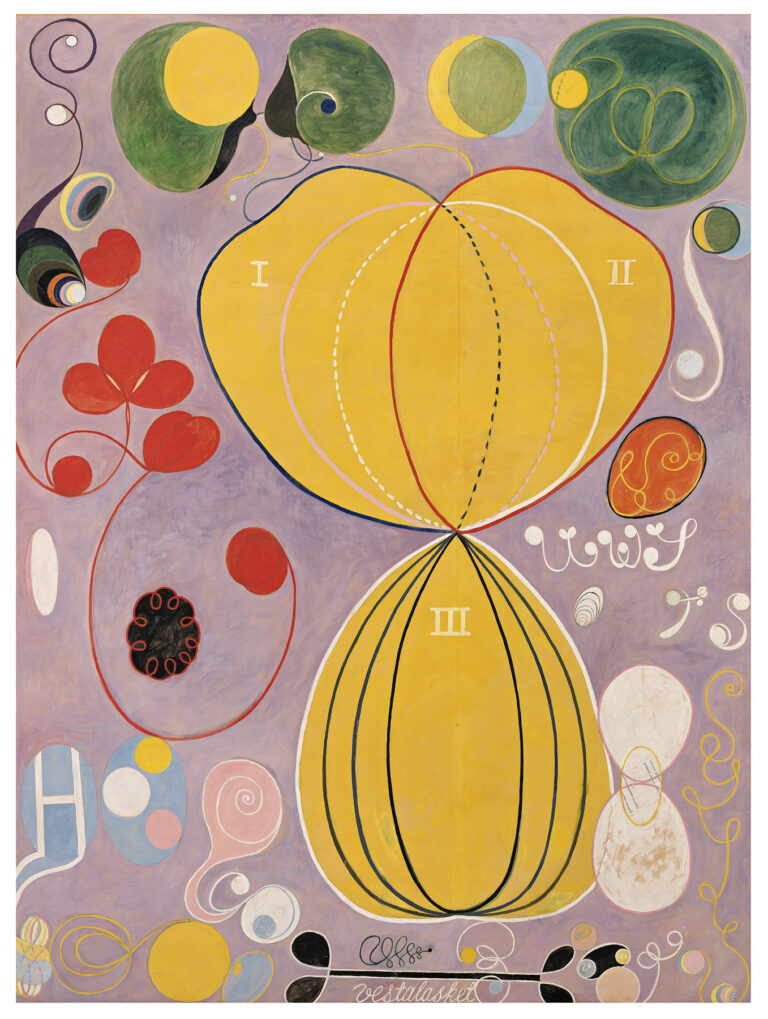
The Ten Largest, No. 7, Adulthood (1907), tempera on paper mounted on canvas, Hilma af Klint Foundation, Stockholm.
Introduces the Swedish artist who painted abstract art before almost anyone else.
Non-toxic washable acrylic paints (golden yellow, burnt orange, brown, sky blue).
3 kid-safe brushes (flat, round, detail).
8X10" canvas.
Non-toxic texture paste for Bruegel's rich harvest effects.
Pamphlet:
Introduces Bruegel's vibrant world of peasant life and seasonal harvests in simple terms. Prompt: "Paint a busy harvest day with farmers, fields and fall colors!"
Non-toxic washable acrylic paints (blue, yellow, green, white).
3 kid-safe brushes (round, flat, fan).
8x10” canvas.
Non-toxic texture paste for van Gogh’s swirly patterns.
Pamphlet:
Describes van Gogh’s colorful style and starry skies in kid-friendly language. Prompt: “Paint a sparkly night sky over a place you like to visit!”
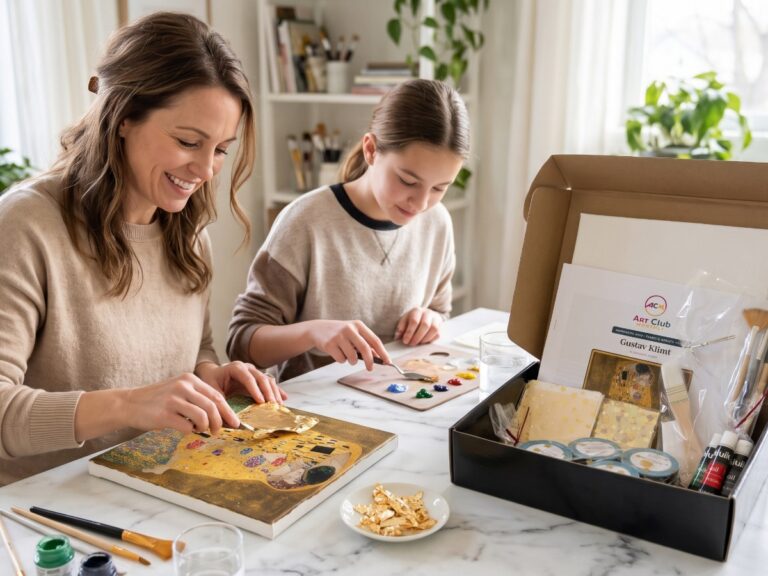
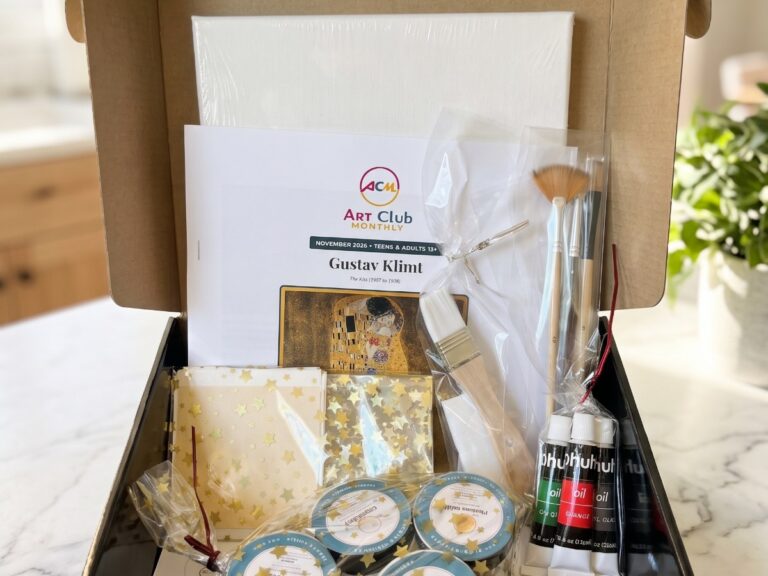
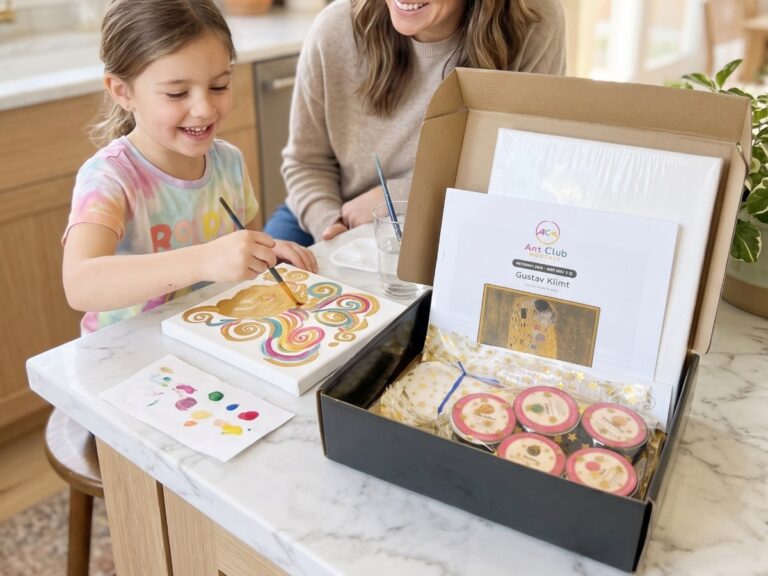
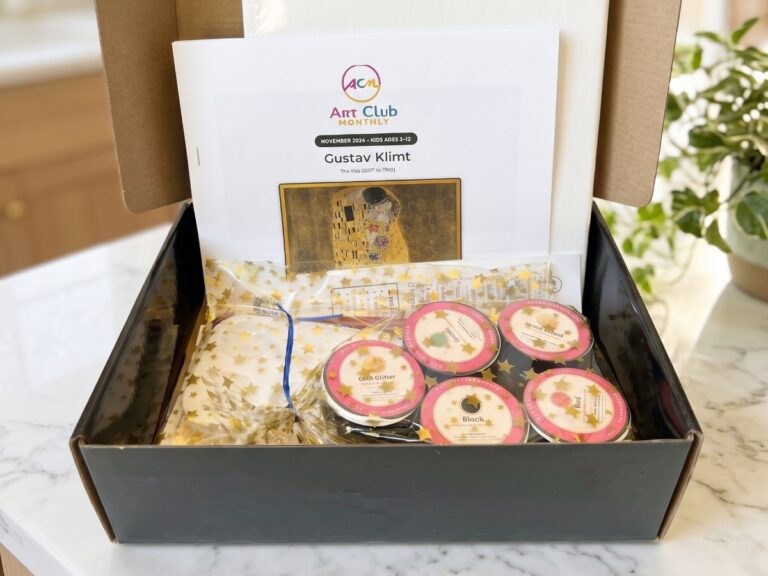
Non-toxic washable acrylic paints (gold, red, black, green).
Non-toxic gold glitter glue (replacing gold leaf).
8X10” canvas.
3 kid-safe brushes (flat, round, fan).
Pamphlet:
Explains Klimt’s shiny, loving art in kid-friendly language. Prompt: “Make a sparkly picture of people you care about hugging or holding hands!”
Non-toxic washable acrylic paints (green, blue, red, yellow).
3 kid-safe brushes (round, flat, dotting tool).
8X10” canvas.
Dot stickers for Seurat’s pointillism effect.
Pamphlet:
Describes Seurat’s dot painting and park scenes simply. Prompt: “Use dots to paint a fun day at the park with your friends!”
Non-toxic washable acrylic paints (blue, pink, white, green).
3 kid-safe brushes (fan, flat, round).
8X10” canvas.
Non-toxic blending gel for smooth colors.
Pamphlet:
Covers Bouguereau’s classical style, mythology, and fluid brushwork. Prompt: “Paint a mythological or ethereal figure inspired by a story you love.”
Non-toxic washable acrylic paints (red, blue, yellow, black).
3 kid-safe brushes (flat, round, angled).
8X10” canvas.
Non-toxic foam shapes for Kandinsky’s geometric patterns.
Explains Kandinsky’s colorful, musical art in kid-friendly terms. Prompt: “Paint a picture that looks like your favorite song!”
Non-toxic washable acrylic paints (yellow, green, brown, blue).
3 kid-safe brushes (flat, round, filbert).
8X10” canvas.
Non-toxic texture paste for flower petals.
Pamphlet:
Revisits van Gogh’s bright flowers in simple terms. Prompt: “Paint a picture of your favorite flowers in a sunny garden!”
Washable tempera paints (brown, yellow, red, black).
3 kid-safe brushes (large flat, round, small detail).
8X10” canvas.
Non-toxic Glow-in-the-dark paint for Rembrandt’s lighting effects.
Practice paper - Small Sketch Book, 5.5 x 8.5
Explores Rembrandt’s chiaroscuro, Dutch Golden Age, and dramatic lighting. Prompt: “Create a scene with strong light and shadow inspired by a historical moment.”
Non-toxic washable acrylic paints (red, blue, green, yellow).
3 kid-safe brushes (large flat, round, angled).
8X10” canvas.
Non-toxic colorful paper cutouts for Matisse’s bold shapes.
Pamphlet:
Explains Matisse’s happy, colorful art in kid-friendly language. Prompt: “Paint or glue a picture of people dancing at a party!”
Non-toxic washable tempera paints (red, yellow, blue, black).
Non-toxic crayons for blending.
3 kid-safe brushes (flat, round, angled).
8X10” canvas board.
Pamphlet:
Explains Munch’s bold colors and feelings in simple terms. Prompt: “Draw a picture of a time you felt super excited or scared using bright colors!”
Non-toxic washable acrylic paints (green, pink, blue, purple).
3 kid-safe brushes (fan, flat, round).
8X10” canvas.
Non-toxic shimmer gel for Monet’s sparkly water effects.
Pamphlet:
Describes Monet’s garden and light in kid-friendly words. Prompt: “Paint a pond or garden you’d love to play in with lots of colors!”
Artwork: Mona Lisa (1503–1519), oil on poplar panel, Louvre Museum.
Non-toxic washable acrylic paints in Mona Lisa’s color scheme (white, red, blue, yellow).
3 kid-safe brushes (large round, medium flat, small detail).
Non-toxic blending gel to mimic Leonardo’s smooth shading.
8X10” canvas.
Introduces Leonardo’s life, the Renaissance, and the Mona Lisa’s famous smile in simple terms. Inspiration prompt: “Paint a picture of someone you love with a big, happy smile!”
Creative Freedom: All prompts emphasize that subscribers can use provided materials or their own, encouraging inspiration from the artist and artwork without strict guidelines.
Join our vibrant community in just a few clicks—no commitment, cancel anytime.
Tackle our monthly creative assignment and submit your unique artwork for review.
Get featured on our site, connect with the community, and sell your art with our support.
See Our 5 Star Reviews
Art Club Monthly is the best! The box has fun stuff to make art, and I love it. It’s messy and awesome. You should try it too!
Hunter F.
Age 7
Art Club Monthly is a delight! The supplies are top-notch and spark my creativity every time. It’s a refreshing break from routine, and I’m hooked. Highly recommend it to any artist looking for inspiration!
Georgia R.
Age 35
Art Club Monthly is a brilliant resource. The curated supplies are exceptional, fueling both my practice and teaching. It’s a concise burst of inspiration—perfect for any artist or educator. I recommend it without hesitation!
Jack F.
Age 43
Art Club Monthly is so cool! The stuff in the box is legit and gets my creativity going. It’s fun, quick, and perfect for messing around with new ideas. Totally recommend it!
Amelia J.
Age 17