December 2026 • Teens & Adults 13+
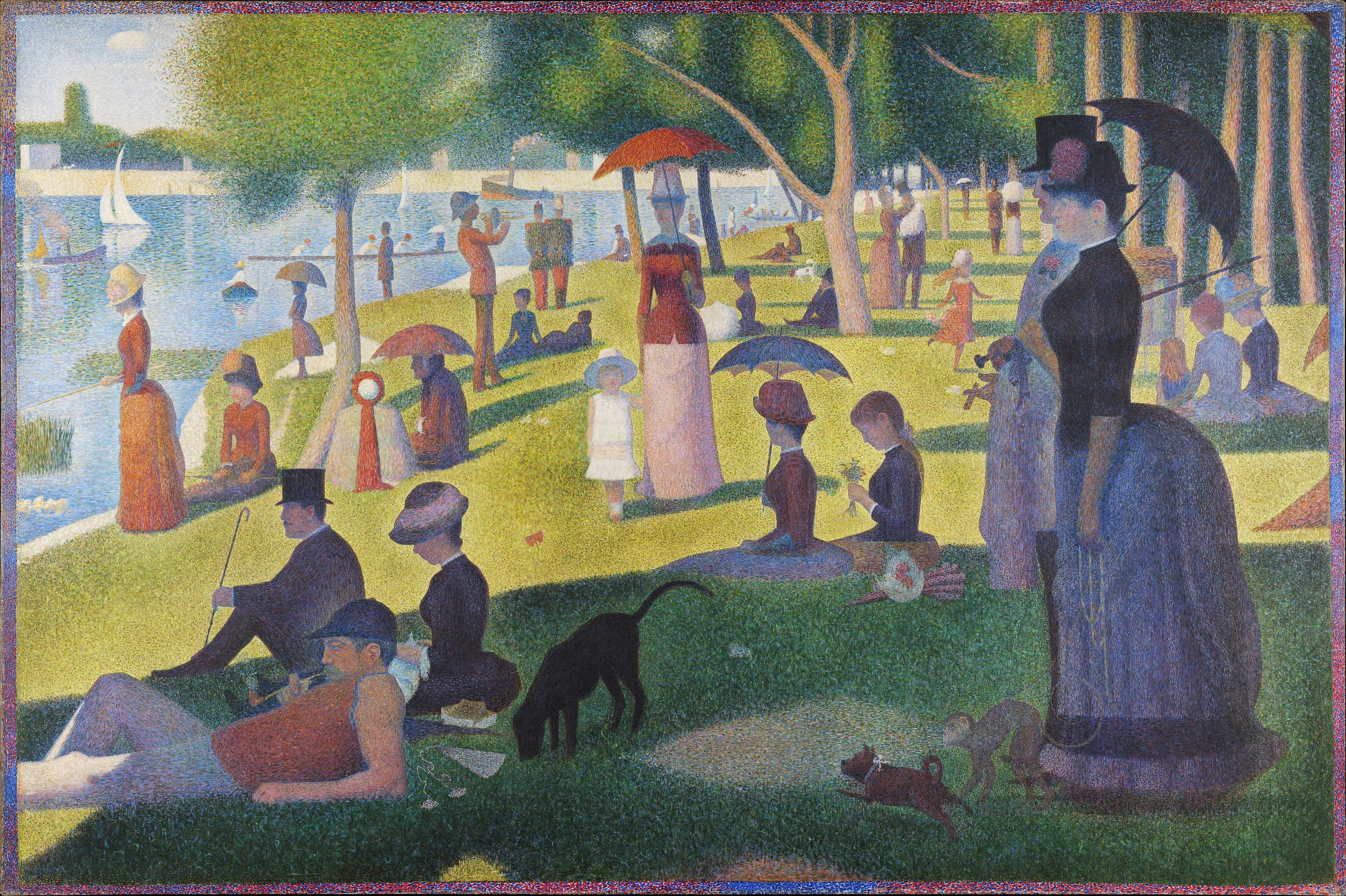
A Sunday on La Grande Jatte (1884 to 1886)
“Art is harmony.”
It is a summer Sunday on La Grande Jatte, an island in the Seine River just outside Paris. Couples stroll under parasols, a woman fishes at the water’s edge, a man plays a trumpet, children wander and sailboats drift past. Almost everyone is perfectly still, and almost no one talks to anyone else. Step close and the whole afternoon breaks apart into small dots and dashes of unmixed color. Step back and your eye puts it all together again.
Seurat was 24 when he began. He made trip after trip to the island, filling sketchbooks and small wooden panels with studies of the light, the trees and the people. He worked on the giant canvas from 1884 into 1885, then returned to it and reworked the surface with the small strokes of pure color that made it famous. It debuted in May 1886 at the eighth and final Impressionist exhibition. The critic Félix Fénéon championed it, and the new style soon had a name: Neo-Impressionism.
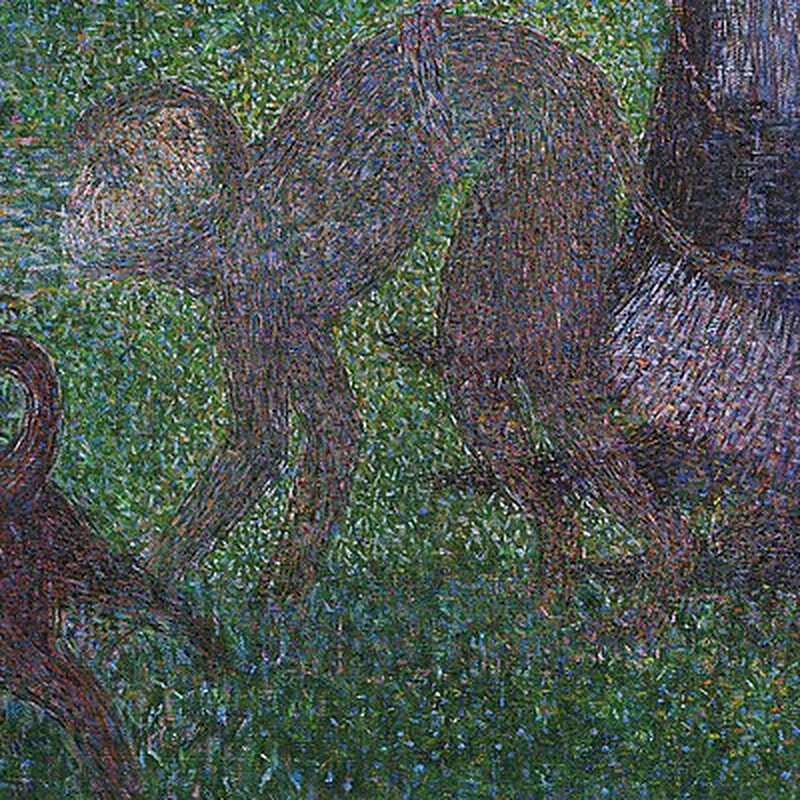
The pet monkey
On a leash at the right edge
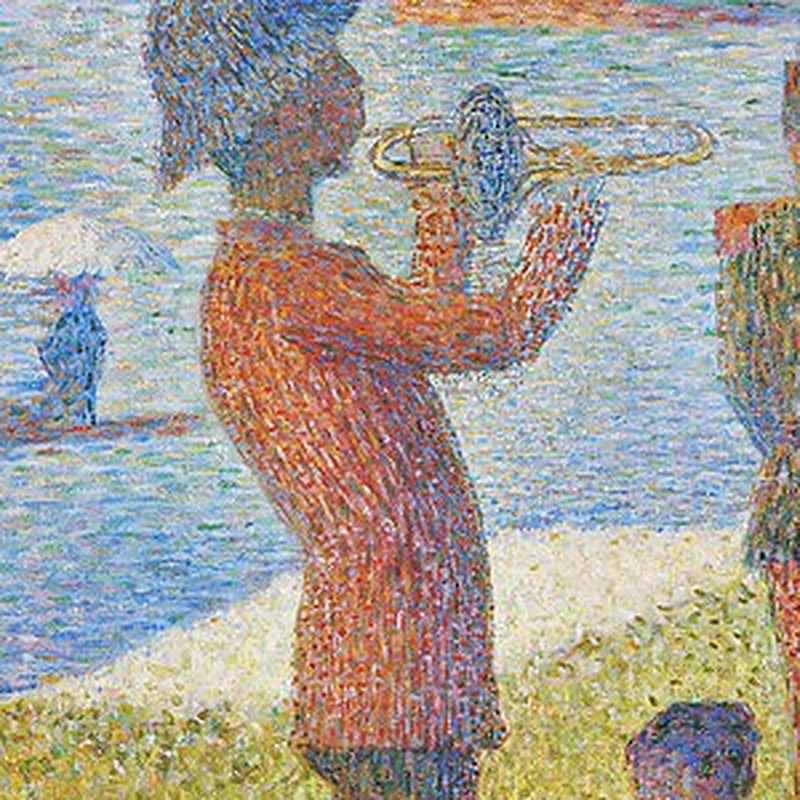
The trumpet player
Playing by the water
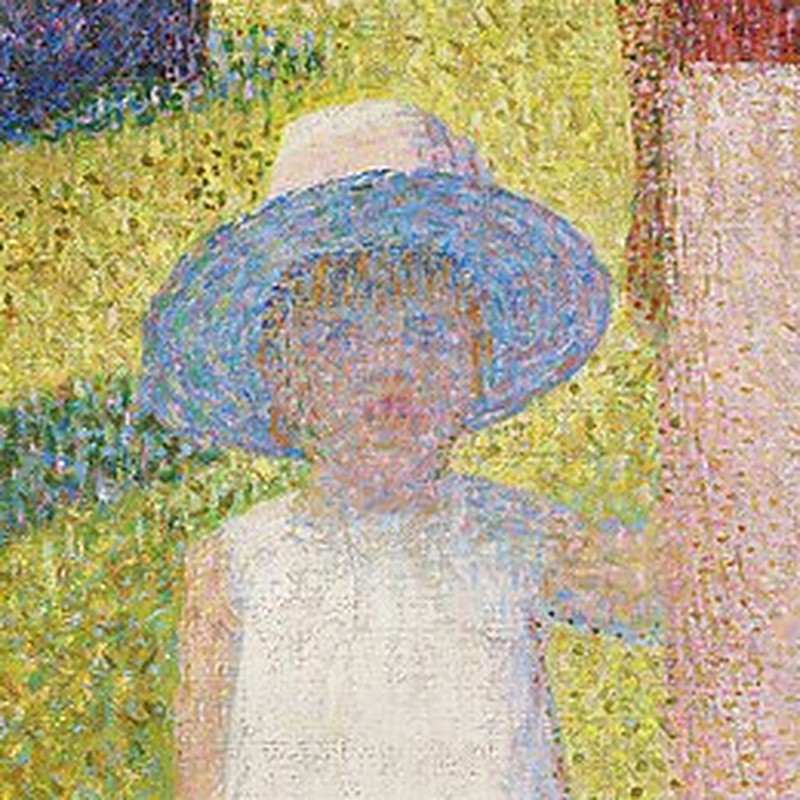
The girl in white
At the very center
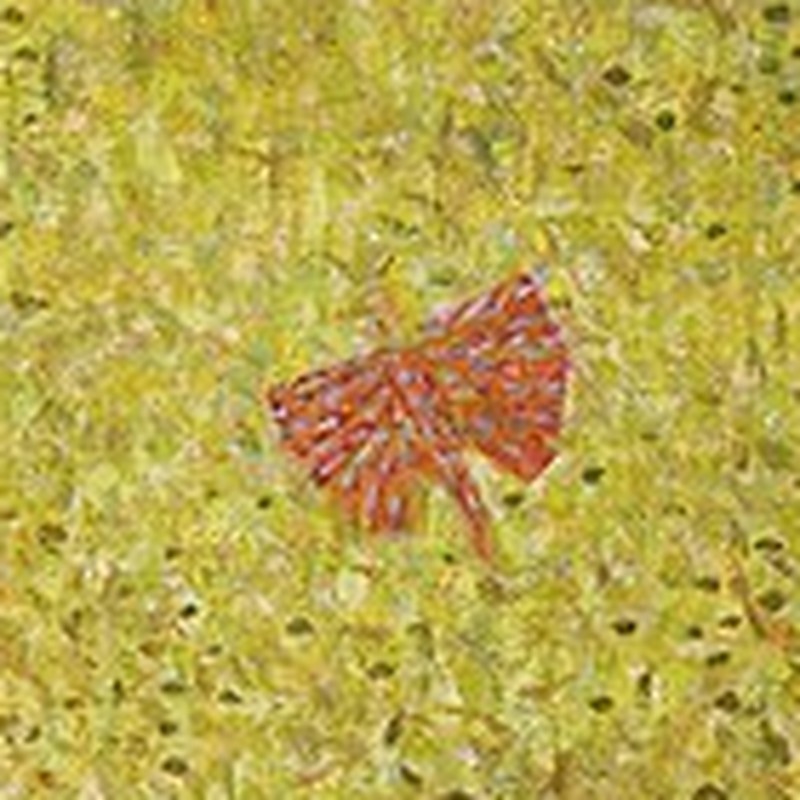
The butterfly
Floating over the grass
Color, not outlines: The “green” grass is really a field of yellow, orange, green and blue strokes. Seurat placed colors side by side instead of blending them on the palette, so the mixing happens in your eye.
The stillness: Most figures appear in strict profile or face straight out, like a procession carved on an ancient frieze. Seurat gave ordinary Parisians on a day off a calm, almost timeless dignity.
The painted border: In 1888 to 1889 he restretched the canvas and added a painted border of dots that shifts color to suit the scene beside it.
A faded glow: Some of the bright yellow paint Seurat used was zinc yellow, which has darkened toward brown over time. The grass once glowed even more than it does today.
Seurat studied the color theories of the chemist Michel Eugène Chevreul and the physicist Ogden Rood, who showed that colors placed side by side change how we see each other. Complements such as orange and blue make each other look more intense.
The elegant woman at the right walks a pet monkey, an exotic and fashionable pet in 1880s Paris. Historians still debate what Seurat meant by it, which is part of the fun of looking.
🇫🇷 French Painter • Neo-Impressionism
Born: December 2, 1859, Paris • Died: March 29, 1891, Paris (age 31)
Seurat studied at the École des Beaux-Arts in Paris under Henri Lehmann, then spent years drawing in black conté crayon on rough paper, building images out of light and shadow instead of lines. When he turned to color, he approached it like a scientist.
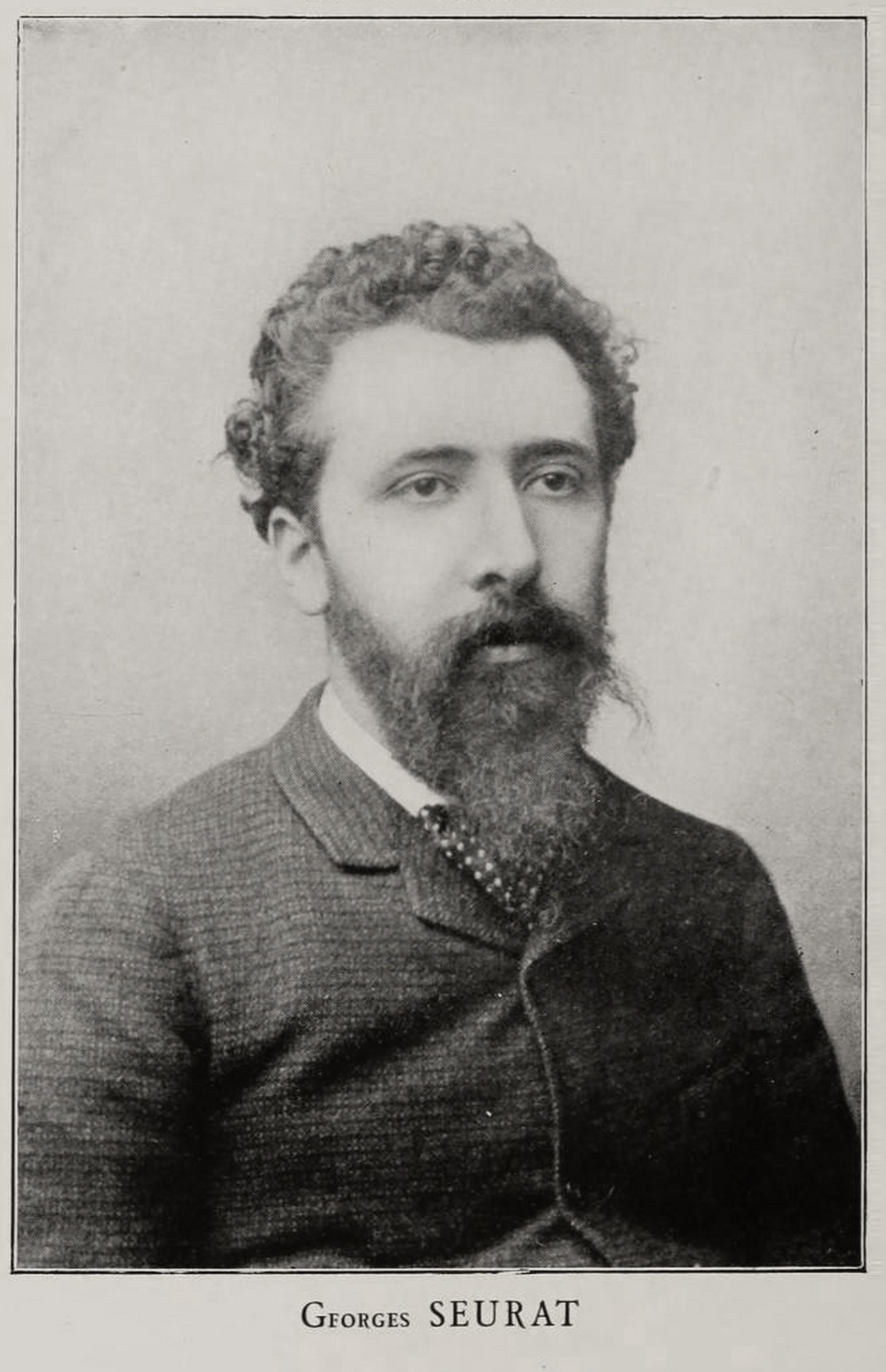
Georges Seurat in 1888 (unidentified photographer, public domain)
Seurat called his approach chromoluminarism. Today most people call it pointillism, from the French word point, meaning dot. His friend Paul Signac carried the method forward after Seurat’s death.
The official Paris Salon rejected his first huge canvas, Bathers at Asnières. In 1884 Seurat helped found the Société des Artistes Indépendants, an exhibition with no jury and no prizes, where any artist could show.
Seurat died suddenly in 1891 at just 31, after a short illness whose cause is still uncertain. He kept his personal life private, including his partner Madeleine Knobloch and their baby son. His last painting, The Circus, was left unfinished.
Stephen Sondheim and James Lapine imagined Seurat at work on this canvas in the musical Sunday in the Park with George (1984), which won the 1985 Pulitzer Prize for Drama. Two years later, the painting starred in a famous museum scene in the film Ferris Bueller’s Day Off, where a character stares deeper and deeper into the little girl in white.
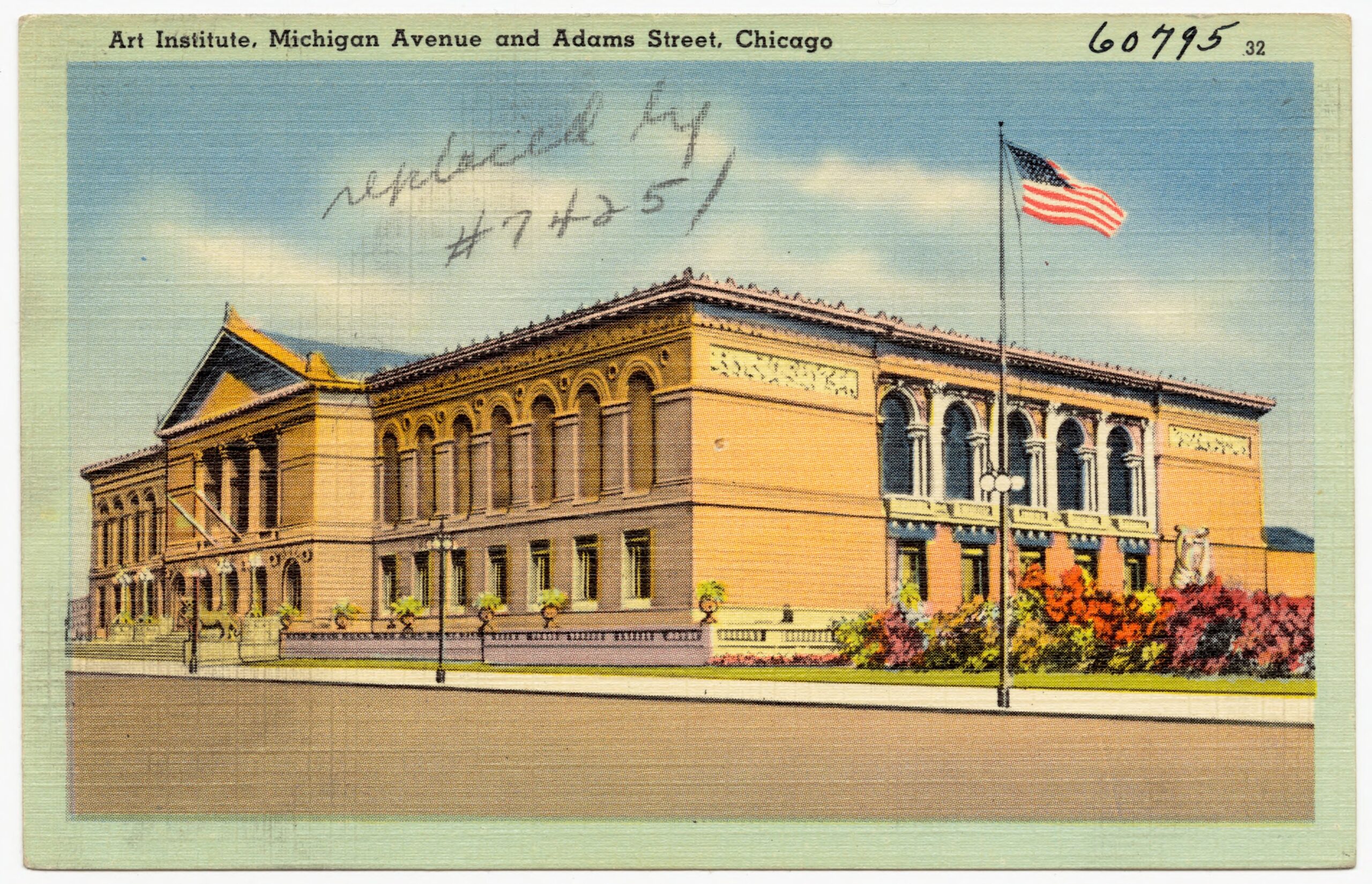
The Art Institute of Chicago on Michigan Avenue, vintage postcard. Tichnor Brothers, public domain, via Wikimedia Commons
Chicago collectors Frederic Clay Bartlett and Helen Birch Bartlett bought the painting in 1924, and it entered the Art Institute’s collection in 1926. In 1958 it was on loan to the Museum of Modern Art in New York when a fire broke out there, and it was carried to safety next door. In 2022 the museum gave it a new white frame, in the style of the light, plain frames Seurat preferred.
Start here. Go anywhere.
Everything in your box is ready to go, so you can create start to finish with just what’s inside. But think of it as your starting point, not your limit. Mix in your own paints, try a bigger canvas, or use our canvas as your practice run before your final piece. Many of our members do exactly that. There’s no wrong way to do it. The goal is simply to get you inspired.
A picnic, a beach day, a backyard barbecue, a crowded pool, a street festival at dusk. Who is there, and where does the light fall? What does warmth look like when it is built one touch of color at a time? There is no right answer and no tutorial here. The interpretation is yours.
Not instructions, just how these materials behave, so you can spend your energy on ideas.
Let the eye do the mixing. Small touches of unmixed color placed side by side blend into new, livelier colors from a few steps away. Step back often.
Tints carry the sunshine. Mixing a color with white before you dot gives you the pale, glowing values of a bright afternoon.
Build in layers. Oil stays wet for days, so dots pressed into wet paint will smear. Block in large areas thinly, let them set, then dot over the top. A little impasto medium helps each dot hold its shape and dry faster. Use it in a ventilated space.
Vary your marks. The stippling tool lays down fields of texture quickly, while the tip of a small brush gives tiny, precise dots for faces and edges. Seurat mixed dots with short dashes.
Clean up without solvents. Wipe brushes and your stippling tool on a paper towel, work a little baby oil or vegetable oil into the bristles, then wash with dish soap and warm water.
Blue + yellow = soft natural green for sunlit grass.
Red + yellow = warm orange for late sunlight and parasols.
Blue + a touch of red = cool violet for shadows on the grass.
Green + a touch of red = olive brown for tree trunks and earth.
Any color + white = a sunlit tint for glowing highlights.
We love seeing how every artist interprets the same masterpiece. Tag us for a chance to be featured on our site and socials!
© 2026 Art Club Monthly • For Teens & Adults 13+
Start with the January box. Real art supplies, the story behind a famous painting, and a creative prompt, shipped free.
January box orders close December 15
Code 50ACM26 is already applied. Free US shipping. Cancel anytime.
