
This post was inspired by one of our Art Club Monthly artists. She came across an article about imposter syndrome in one of her art books and asked me if I had ever studied it. I have, and I have lived it too. So this one is for her, and for anyone who has ever looked at their own work and thought, “I’m not a real artist.”
What Is Imposter Syndrome?
Imposter syndrome is the feeling that you are not as talented as other people think you are, and that sooner or later someone will “find you out.” The term was coined in 1978 by psychologists Pauline Clance and Suzanne Imes, who first called it the imposter phenomenon. It is not a diagnosis. It is a very common feeling, and it shows up most often in people who care deeply about doing good work.
For artists, it usually sounds like this:
- “Real artists went to art school. I’m just playing.”
- “Everyone else’s painting looks better than mine.”
- “I’m too old (or too young, or too busy) to start now.”
- “If I share this, people will see I don’t know what I’m doing.”
Here is my own confession. I studied English because I wanted to be a writer, went back to school for Art History, and then fell in love with painting. I still have a novel I started in 2022 that is unfinished (I will finish it!), and I rarely share my own paintings. That is a big part of why Art Club Monthly exists. I want to help other people find their creative voice, and I’m still finding mine.
The good news? Some of the greatest artists in history felt exactly the same way.
5 Masters Who Felt Like Imposters
1. Michelangelo: “I am not a painter”
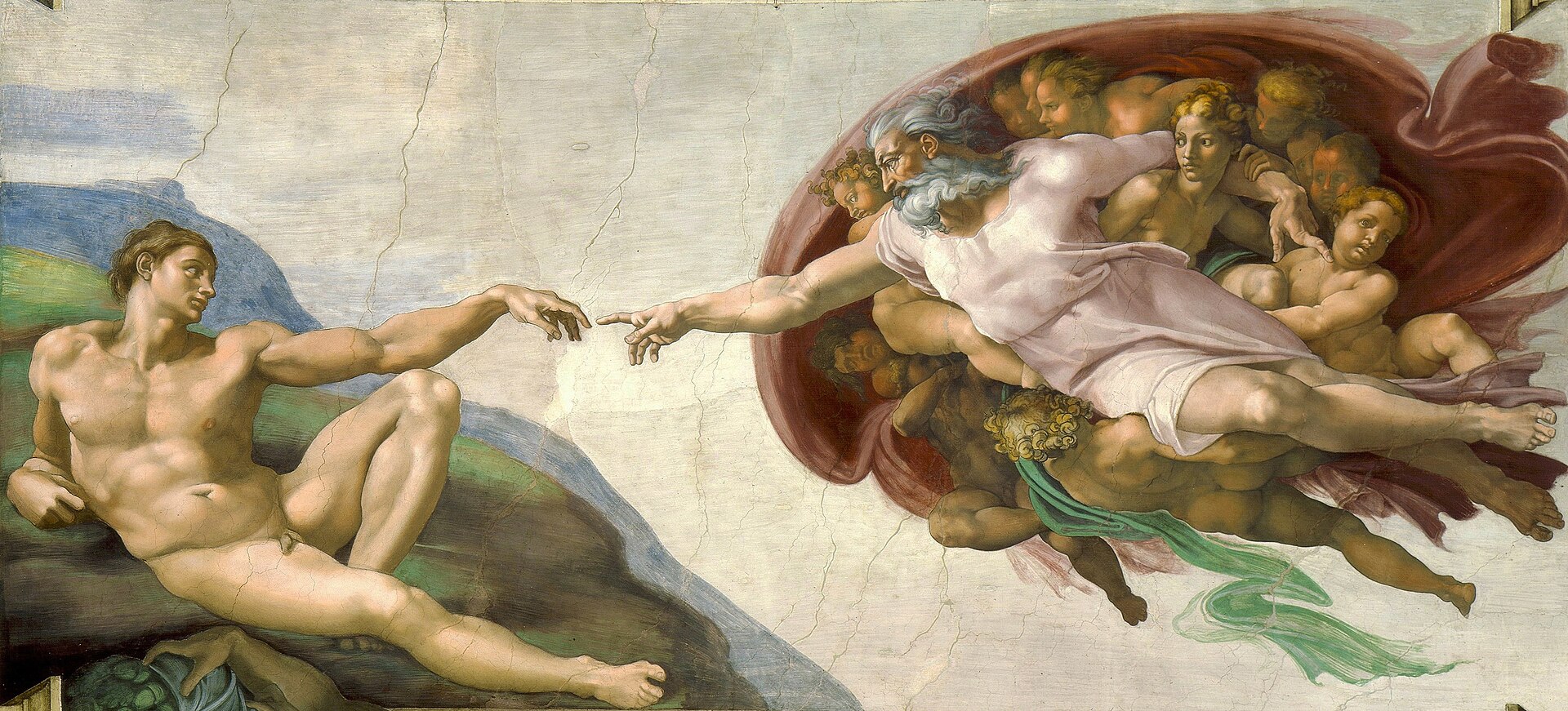
When Pope Julius II asked Michelangelo to paint the Sistine Chapel ceiling in 1508, Michelangelo did not see himself as a painter at all. He was a sculptor. While he worked, he wrote a funny, miserable poem to his friend Giovanni da Pistoia about his aching neck, the paint dripping on his face, and his twisted back, and he ended it by saying he was in the wrong place and was no painter. Four years later he had created one of the most famous works of art in the world. If you ever see it in person, it will bring you to your knees.
The lesson: feeling unqualified does not mean you are. Sometimes it just means you are doing something new.
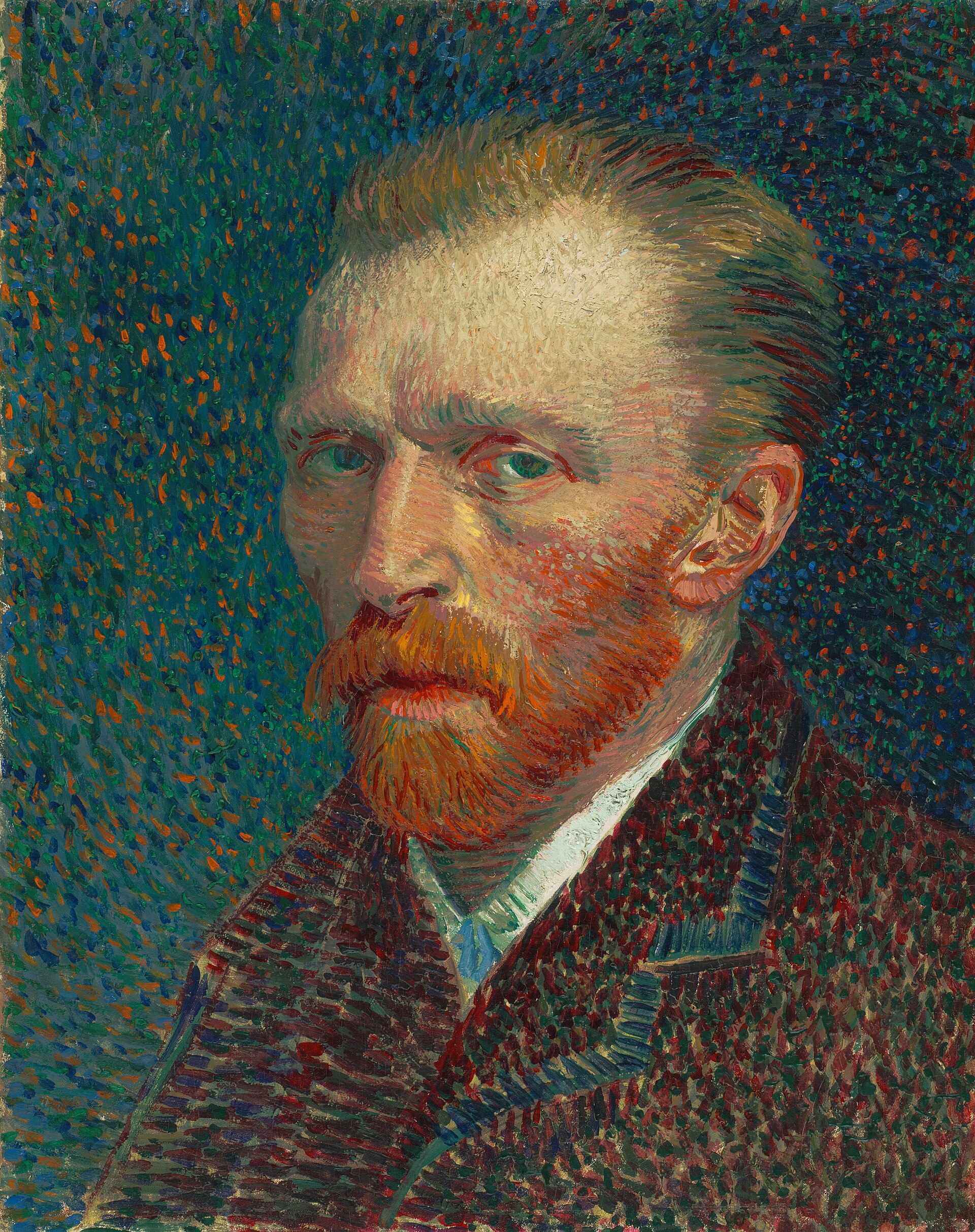
2. Vincent van Gogh: “Then by all means paint”
Van Gogh did not start painting seriously until he was 27, and he had almost no formal training. His letters to his brother Theo are full of doubt about his skill, his money and his future. In 1883 he wrote one of the most encouraging lines any artist has ever written:
“If you hear a voice within you say ‘you cannot paint,’ then by all means paint, and that voice will be silenced.”
Vincent van Gogh, letter to Theo, 1883
He sold very little in his lifetime. It was Theo who believed in him and supported him, year after year. Today you can read all of Vincent’s letters for free at the Van Gogh Museum’s letters project.
The lesson: the voice that says “you can’t” gets quieter every time you create anyway. And find your Theo, one person who cheers you on.
3. Claude Monet: even Monet didn’t think Monet was good enough
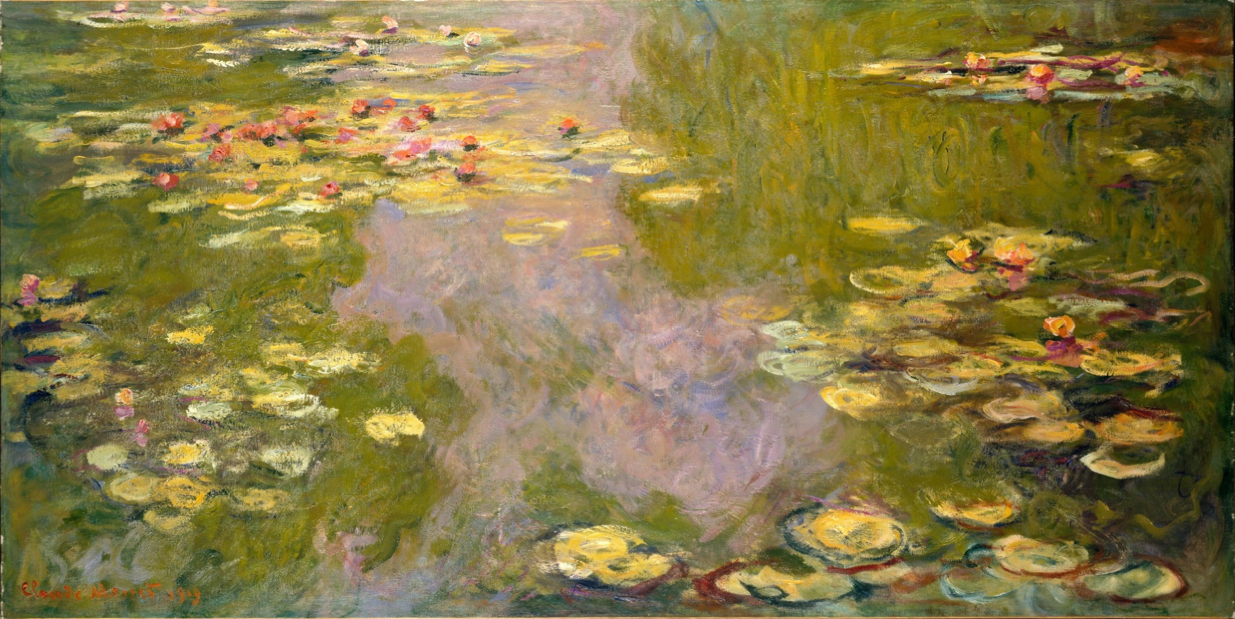
By the early 1900s Monet was already famous. Yet while he was working on his water lily paintings, he was so unhappy with some of them that he destroyed canvases and postponed his exhibition more than once. When the show finally opened in Paris in 1909, it was a triumph. Monet kept painting water lilies for the rest of his life, around 250 of them.
The lesson: being hard on your work is normal, even for the masters. Don’t let it stop you from finishing and sharing.
4. Paul Gauguin: the stockbroker who started late
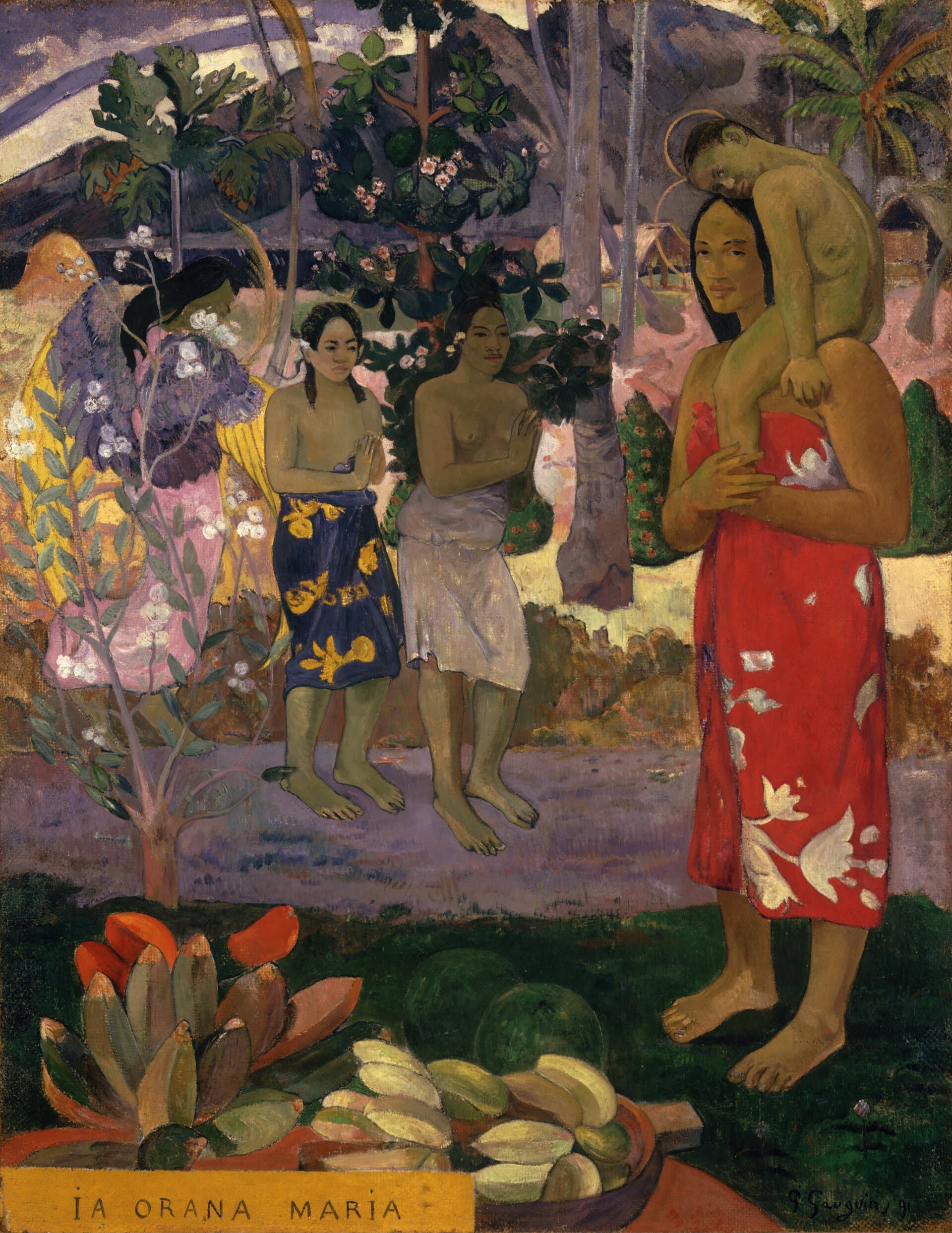
Gauguin did not start out as an artist. He was a stockbroker in Paris who painted on weekends, with no formal training. After the stock market crash of 1882, he decided to paint full time. He was about 35. Everything we know him for, the bold flat color, the golden halos, the strong simple shapes, came after he decided it wasn’t too late to begin.
The lesson: there is no deadline on creativity. Starting late is still starting.
5. Henri Rousseau: the self-taught painter the critics laughed at
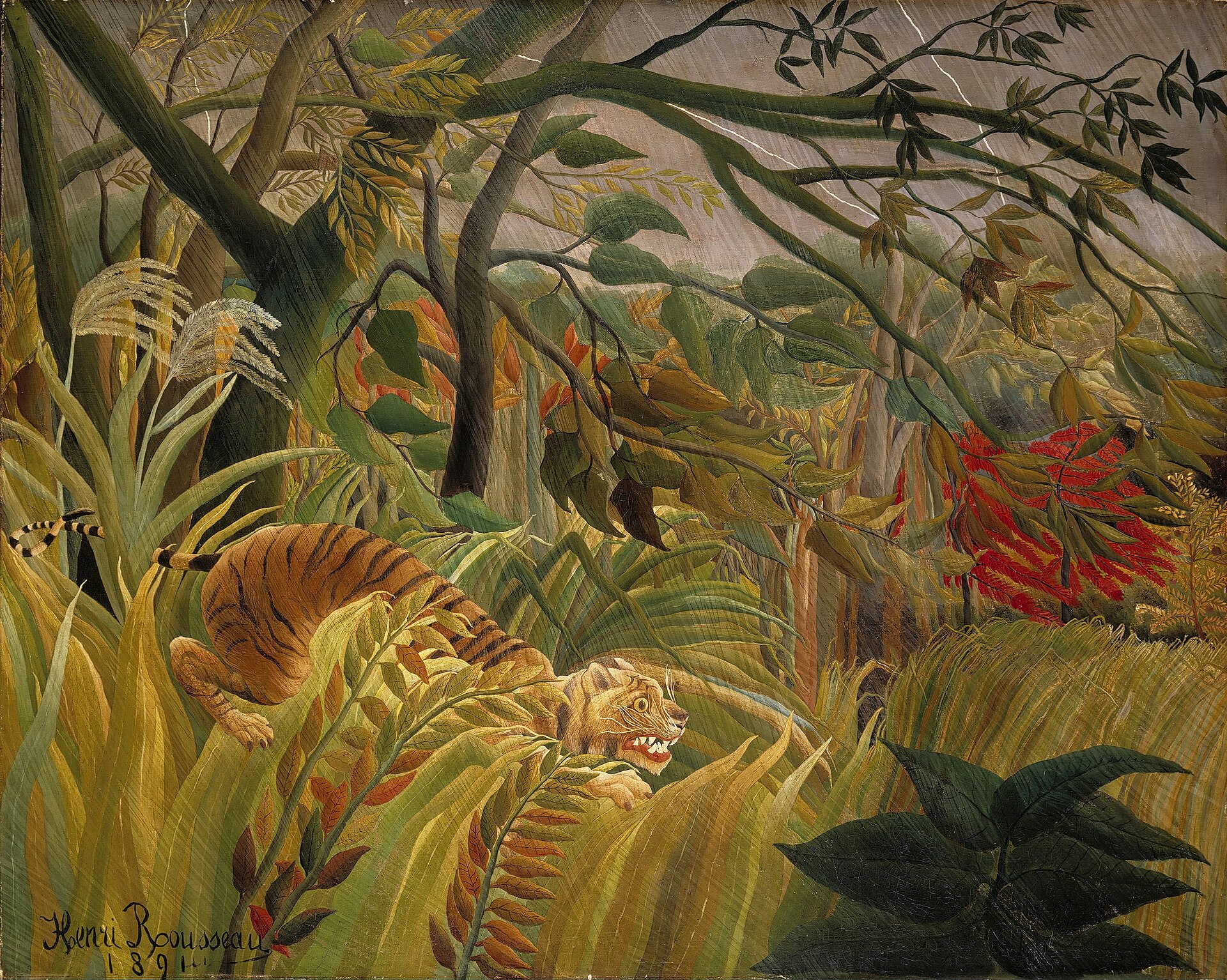
Rousseau worked for years as a clerk in the Paris toll office and taught himself to paint in his spare time. Critics mocked his flat, dreamy jungles and called his work childish. He kept painting anyway, in his own style. Today his paintings hang in the National Gallery in London and the Museum of Modern Art in New York, and artists like Picasso became his fans.
The lesson: your style is not a mistake. It is your voice.
An Artist’s Guide to Breaking Through Imposter Syndrome
You don’t have to wait until the feeling goes away to keep creating. Here are seven things that help, whether you are 8 or 80.
- Name it. When you hear “I’m not a real artist,” say to yourself, “That’s imposter syndrome talking.” Naming the feeling takes away some of its power.
- Make studies, not masterpieces. Georges Seurat made dozens of drawings and small oil sketches before he painted A Sunday on La Grande Jatte. A first try is supposed to be a first try. Call it a study and let it teach you something.
- Compare yourself to you. Keep your work and date it. In three months, look back. Your growth is the only comparison that matters.
- Create your own, don’t copy. Trying to make an exact copy of a famous painting is a setup for disappointment. Use the masterpiece as inspiration, then make choices that are yours: your colors, your subject, your story.
- Protect a little time. Twenty minutes with paint on a Sunday morning counts. Small, regular creative time builds confidence faster than waiting for the perfect free day.
- Find your Theo. Share your work with one kind person or a supportive community before you share it with the world. Encouragement is fuel.
- Remember the masters. Michelangelo said he was no painter. Monet destroyed his own canvases. Van Gogh doubted himself in letter after letter. You are in very good company.
Why the Feeling Can Be a Good Sign
Imposter syndrome doesn’t mean you are doing it wrong. Usually it means you care about doing it well, or you are afraid of being judged by someone else. The only thing that really quiets it is what artists have always done: showing up and creating your own work. And that applies to life in general. There is only one of you, and nobody else can make what you make.
Create With Us
Every Art Club Monthly box is built around one famous masterpiece, with real art supplies, the story behind the painting and an open creative prompt. There are no tutorials and no right answers. You create your own piece inspired by the masters, in your own voice. Boxes are available for kids ages 5 to 12 and for teens and adults.
December’s box is inspired by Seurat’s A Sunday on La Grande Jatte, and painting with dots of color is relaxing and forgiving, perfect for anyone who wants to quiet that inner critic. Learn more about pointillism and Seurat, and when you finish a piece, share it with us on our Featured Artists page or tag #artclubmonthly. We would love to see it.
Start Your Art Club Monthly Box
Frequently Asked Questions
What is imposter syndrome for artists?
It is the feeling that you are not a “real” artist, that your work is not good enough and that others will eventually notice. It is very common among artists at every level, including famous painters like Michelangelo, Van Gogh and Monet.
Who came up with the term imposter syndrome?
Psychologists Pauline Clance and Suzanne Imes first described the imposter phenomenon in a 1978 paper.
Which famous artists felt like imposters?
Michelangelo insisted he was a sculptor and not a painter while painting the Sistine Chapel ceiling. Van Gogh wrote about his self doubt in letters to his brother Theo. Monet destroyed water lily canvases he was unhappy with. Gauguin and Rousseau were self-taught and started later in life.
How can I overcome imposter syndrome as a beginner artist?
Name the feeling, treat early work as studies, compare yourself only to your past work, create your own pieces instead of copying, protect small regular blocks of creative time and share your work with a supportive person or community.
Is it too late to start painting as an adult?
No. Gauguin became a full-time painter at about 35, Rousseau taught himself while working a day job, and many people begin painting in retirement. There is no deadline on creativity.