Thinking about trying oil painting as a beginner? Good news: you need far less than the art store wants you to believe. Here is exactly what goes in a starter oil painting kit, what you can skip, and how to set up a simple space at home.
What You Need to Start Oil Painting
1. A small set of oil paints
Start with a limited palette: a warm and cool version of each primary (for example cadmium yellow and lemon yellow, alizarin crimson and cadmium red, ultramarine and phthalo or cobalt blue) plus titanium white. You can mix almost anything from these. Student grade paints are fine for practice, but artist grade paints carry more pigment and mix cleaner colors.
2. Three or four brushes
A filbert, a flat, a round and a fan brush cover most needs. Synthetic brushes made for oils are affordable and easy to clean.
3. A canvas or canvas panel
An 8×10 inch stretched canvas or panel is the perfect size to finish a painting in a session or two without feeling overwhelmed.
4. A medium
Mediums change how paint behaves. An impasto medium thickens paint for bold, textured strokes like Van Gogh’s. A blending medium smooths transitions for soft skin tones and skies. You only need one to start.
5. Palette, rags and cleanup
A disposable palette pad, paper towels or rags, and a solvent free brush cleaner or safflower oil and soap for cleanup. Keep the room ventilated.
What You Can Skip (For Now)
- Large paint sets with 24 or more colors
- Expensive easels. A tabletop easel or a box works fine.
- Specialty varnishes until you have finished paintings worth protecting
Beginner Tips That Make a Big Difference
- Work fat over lean. Use thinner paint in early layers and thicker, oilier paint on top so the painting dries without cracking.
- Tone your canvas. A thin wash of a warm color removes the intimidating white and helps you judge values.
- Squint. Squinting at your subject simplifies it into big shapes of light and dark.
- Study the masters. Looking closely at how great painters handled light, color and texture teaches more than any tutorial.
The Easiest Way to Start: A Monthly Oil Painting Kit
If you would rather skip the shopping, the Art Club Monthly Teens & Adults Box sends professional oil paints, quality brushes, an 8×10 canvas and the month’s specialty medium, all chosen for one famous masterpiece. Each box includes an in depth art history guide and an open ended creative challenge, so you learn from the masters while developing your own style. There are no step by step tutorials, and no two members’ paintings look alike.
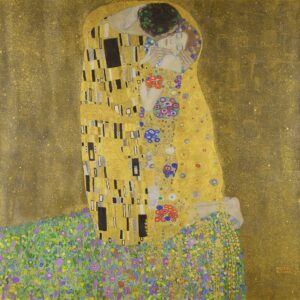
- November 2026: Klimt’s The Kiss with real gold leaf
- December 2026: Seurat’s pointillism with a stippling tool
- January 2027: Bouguereau’s The Birth of Venus with a blending medium
New members get 50% off the first box with code 50ACM26, and shipping is free in the US.
Frequently Asked Questions
Is oil painting good for beginners?
Yes. Oil paint dries slowly, which gives beginners time to blend, adjust and fix mistakes. With a small palette and a few brushes, it is very approachable.
What is the best oil painting kit for beginners?
Look for a kit with a limited palette of quality paints, a few versatile brushes, a canvas and one medium. A monthly kit like the Art Club Monthly Teens & Adults Box adds a new technique and art history lesson each month.
How long does oil paint take to dry?
Thin layers are usually dry to the touch in a few days, while thick impasto passages can take weeks. Drying time depends on the pigment, the medium and the room.
Do I need solvents to oil paint?
No. You can clean brushes with a safe oil such as safflower oil followed by soap and water, and use solvent free mediums.